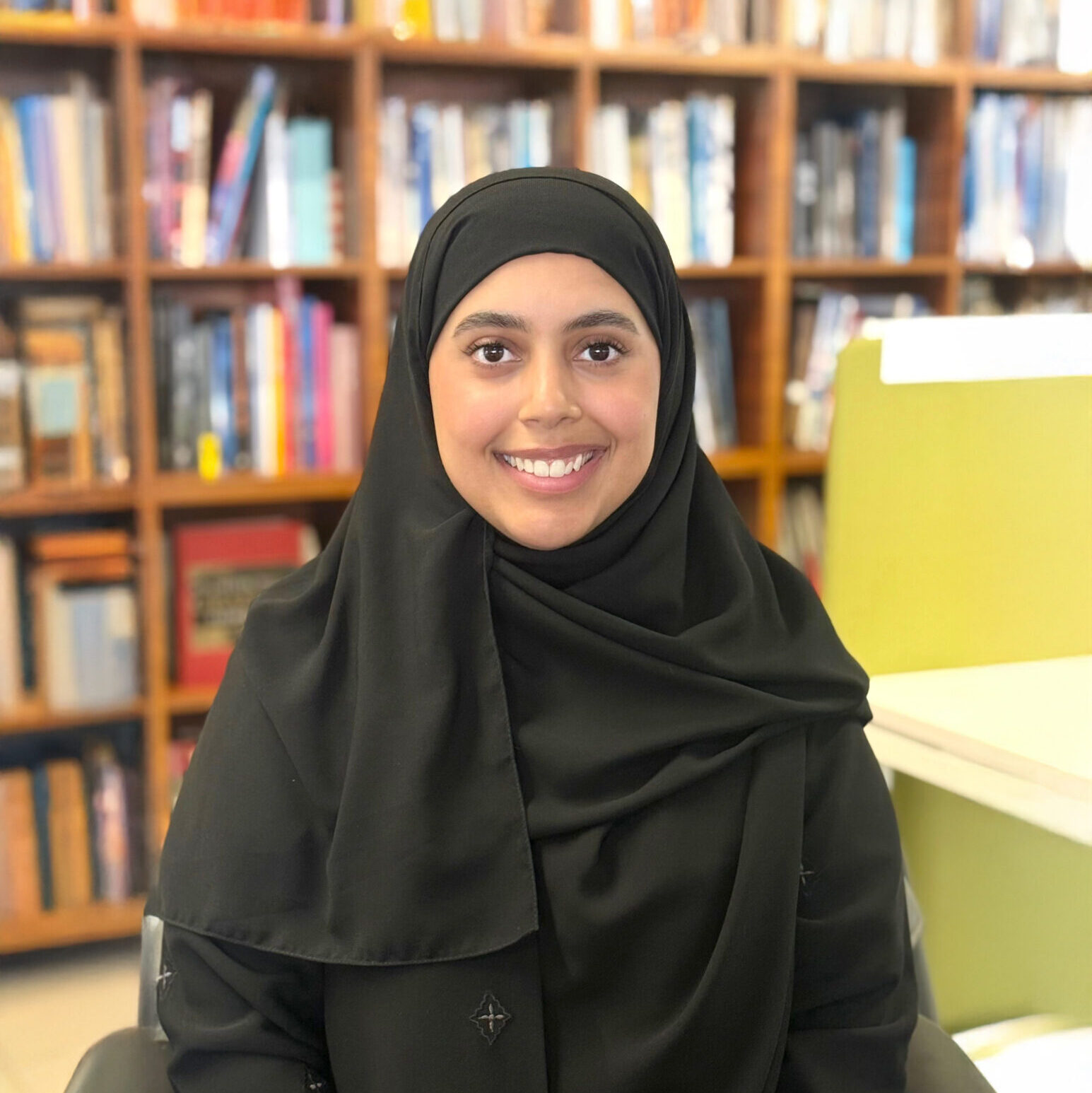






Simon Dahl is a Senior Landscape Architect at Omrania whose career spans more than three decades across Africa, the Middle East, and Central Asia. He began his professional journey in Cape Town, building a foundation in interior design and architecture before shifting his focus fully to landscape. Over the years, he has developed a particular strength in culturally sensitive public realms, working in contexts where climate, history, and everyday life intersect under demanding conditions. His work is characterised by a careful reading of place and a commitment to landscapes that are both environmentally robust and quietly memorable in use
What first comes to mind when you think about the balance between history and climate in your work today?
I am deeply fascinated by how earlier cultures managed to adapt to extreme climates. Often defining their cultures through these adaptations. As we have become more reliant on technology, I feel that we have lost a lot of sophistication and heritage.
Examples such as Wind Catchers in Iran, or the narrow streets and heavy massing of Saudi architecture that allowed for spaces to remain cool and usable, have often become synonymous with their cultures. Contrast this to the uniformity of modern materials and air-conditioning units, which seem to lead to a “sameness” wherever you travel.
How have your years working in different regions changed the way you think about context in landscape design?
I do not think that differing regions have affected my thoughts on context. One of the aspects of design that keeps it both interesting and challenging is that no two projects or contexts are ever the same. I aspire to avoid having a style that would need to be adapted to, or stamped on, every project. Every site has one or maybe two designs that somehow feel inevitable. Sight lines, slopes, sun, shade, and surrounding spaces all relate to one another. Somewhere between the brief, the constraints, and the informants is a “Sweet Spot” that I am working to uncover.
When historical references feel heavy, what helps you decide how much to simplify or abstract them?
Dare I use the word ‘deconstruct’ in this context? What was the goal or intention of the historical feature? Stripping things back to their core intent and interpreting in a modern idiom rather than attempting to mimic the original. Designs should reflect their time, while remaining respectful of their surroundings. Repeating ornamentation, unless in a restorative context, can often result in a pastiche rather than a celebration of the original.
In harsh climates, what element do you rely on most to keep outdoor spaces genuinely usable over time?
In the same way as I feel there is no one-size solution to context, the same applies to relying on a single response to harsh climates, hot or cold. Just as we have seen in the 10N sustainability training series, temperate and extreme climates require varied responses.
In the context of Saudi Arabia, shading and air movement are my “go to” solutions, followed, where possible, with shade structures and mist coolers.
When discussing a project, how do you bring clients from talking about images to talking about long-term performance?
Landscape Architecture is, by the very nature of plant materials, a long-term discipline. Day 1 handover is important, but trees and even shrubs require time to grow and mature. Without care and maintenance, year 1, year 5, and beyond are not guaranteed.
Ideally, we should not be talking about images until we have established the desired project outcomes and client expectations. From experience, once the client has seen images, the design becomes locked-in. Design is an iterative process, and selling images too early can give an unresolved design a longevity it does not deserve. Early engagement meetings should be an exploration of the client’s short- and long-term goals. The conversation must start with how the space will be used, how it will be inhabited, or traversed. All opportunities and constraints should be properly explored before any party commits to a design, let alone a definitive image.
Has your view on planting design shifted as you’ve worked more in climate-stressed environments, and in what way?
Having started my Landscape Journey in Cape Town, with an overwhelming approximate 3500 endemic species, coupled with an inability to retain plant names, pushed me towards a systems mindset rather than focus on botanical labels, prioritizing local species that are both water-sensitive and which support local fauna, large and small, aiming to encourage sustainable systems.
Cape Town is another climate-challenged, if not climate-stressed, environment. Arid summers and climate change impacting winter rainfalls have led to water restrictions, making me very conscious of water use, a vital consideration in the xeriscape solutions often employed in Riyadh. Lavishing water on exotic species is something I struggle with when there are beautiful local species that will survive and even flourish in local conditions.
Looking across your work, what constant principle guides you when history, climate, and present-day demands all compete?
Consider the users. If we ignore the people who inhabit our work, particularly the young and the old, no amount of theory or marketing will result in a design that is loved and used. If the design is about people, then I cannot see how these demands can compete. Making designs that are respectful of and relevant to their context; this is the challenge of being a designer, balancing many requirements and constraints to produce beautiful, sustainable, and engaging spaces. Ultimately, if design was easy, then everyone would be doing it.