




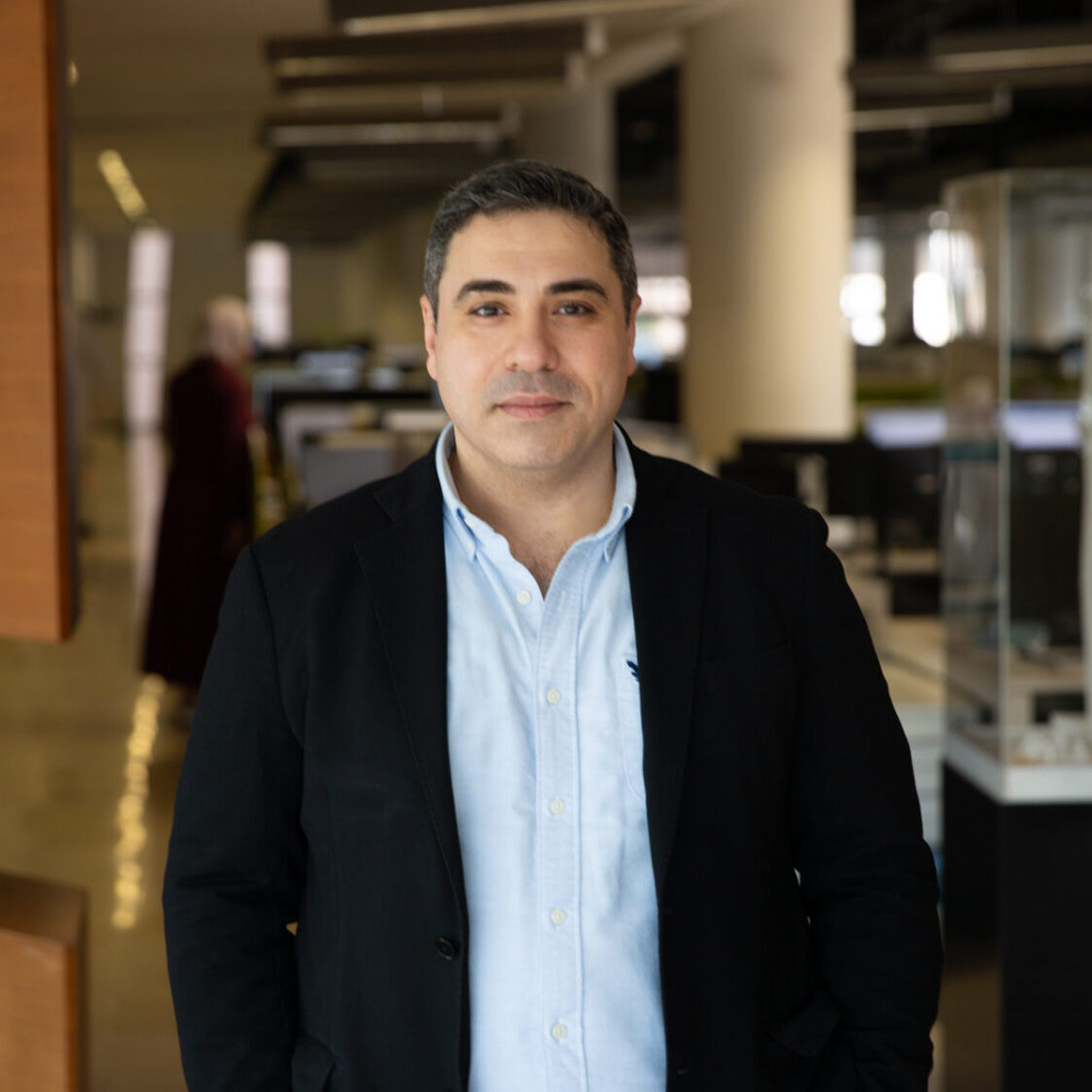
Sherif Boules, Design Manager at Omrania’s Interior Design Department, has spent 19 years contributing to hospitality and mixed-use interiors across the Middle East. From concept to delivery, he focuses on balancing operational needs, functional planning, and creative design. Whether shaping the atmosphere of a luxury resort or guiding large-scale urban projects, Sherif brings a collaborative spirit and close attention to detail, always aiming to create spaces that are both inspiring and practical.
Who or what outside the world of design most influences the way you approach challenges or problem-solving?
Outside of design, I’m most inspired by the paradoxes in life. In nature, harmony often emerges from opposite things, like mountains and rivers, or sunlight and shadows. Observing this balance reminds me to adapt, embrace complexity, and stay humble when approaching challenges.
What’s a misconception people often have about interior designers or design managers, and how do you respond to it in your own work?
A common misconception is that interior designers only focus on aesthetics. Our work is much broader and technical, integrating functionality, codes, budgets, and human experience. While we strive for simplicity, I trust people to recognize a thoughtful mix of creativity and engineering in a well-designed space.
Tell us about a time you struggled with motivation or inspiration. How did you pull yourself through, and what did you learn about yourself?
There are always moments in large, complex projects when motivation gets tested. I’ve learned that resilience for me comes not from forcing creativity, but from trusting collaboration, simplifying the path forward, and keeping the end user in mind. When I shift the focus from pressure to purpose, I find the clarity and drive needed to move forward.
How do you balance brand vision and operational needs in your hospitality projects, especially when working with diverse cultural expectations across the Middle East?
Balancing brand vision and operational needs starts with listening to the operator, the brand standards, and the local context. In hospitality projects, especially across the Middle East, local culture adds important layers of depth. My approach is to anchor the design in the brand’s identity while adapting it to local traditions, guest behavior, and regulations. This often means crafting a design vision that incorporates regional materials, spatial hierarchies, and privacy considerations that resonate locally. By weaving brand consistency with cultural authenticity, the space will feel both globally appealing and locally meaningful.
Looking ahead, what is your vision for your own growth and for the future of the interior design department at Omrania?
I am fortunate to be part of Omrania and the Egis Group, where a positive work culture and environment are truly fostered. The culture encourages collaboration, creativity, and continuous learning, making it a great place to grow both personally and professionally. For me, it’s about having the opportunity to develop alongside a supportive team and an organization that values design excellence and innovation.