





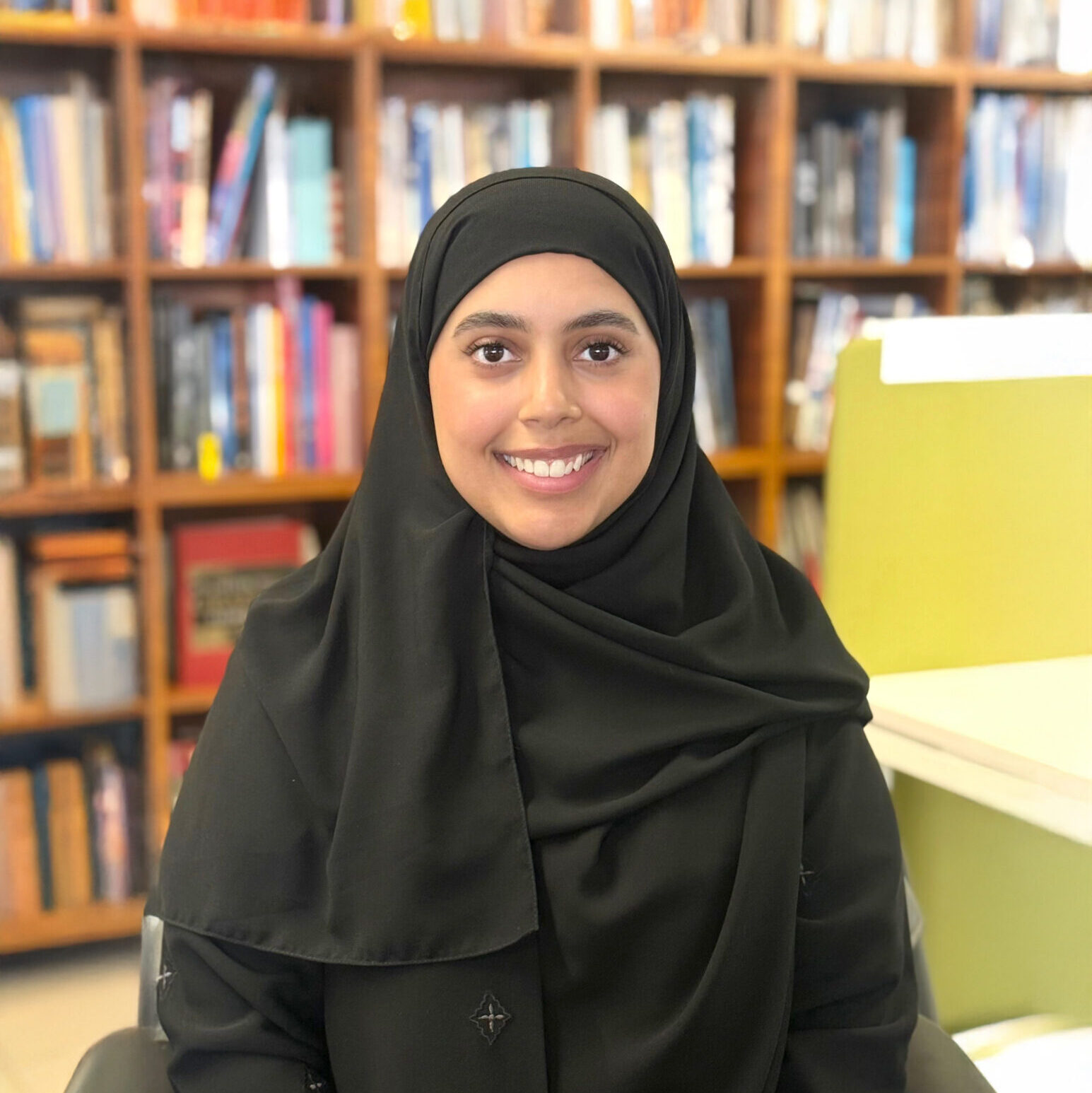
Dima Al-Muhaidib is an Interior Designer with a Bachelor’s degree in Interior Design with honors. Her work focuses on translating design intent into clear, buildable outcomes through documentation, material selection, and detailed drawings, including custom furniture and interior detailing. With a strong understanding of spatial relationships and material application, she contributes to complex projects with consistency and focus. She is known for her reliability within teams and approaches each project as an opportunity to refine judgment while maintaining accuracy and clarity.
When you are working on a high-profile project early in your career, what kind of pressure is felt but rarely spoken about?
The unspoken pressure is the risk of being defined too early. On complex projects, early contributions tend to shape how others position your role. There is a balance between showing capability and exposing uncertainty.
I addressed this through documentation. I maintain records of markups, meeting notes, and decision trails. On fast-moving projects, memory is unreliable. Documentation provides continuity and reduces misalignment between discussions and outcomes.
On large-scale projects, how is responsibility actually divided in your day-to-day work, and where do you personally take ownership?
On large-scale projects, responsibility rarely aligns with the formal structure on paper. In practice, it shifts to whoever is maintaining momentum and keeping track of the most moving parts.
When my lead is focused on critical issues, coordination still needs to continue. In those moments, I step in to keep the work moving, support team members, and flag anything that requires escalation.
I take ownership of that gap by reviewing drawings, identifying inconsistencies, and either resolving them directly or escalating them clearly. When questions come up around scope, sequence, or detailing, I aim to be the person who can provide answers rather than redirecting them.
When developing reports, finishes, or detailed drawings, which decisions rely most on your judgment?
Judgment is most critical where the brief is incomplete or no longer reflects the current state of the project.
I refer back to the original client documentation to maintain alignment. This becomes particularly important in material selection. Materials affect movement, perception, and use over time. On a LEED-certified project, material decisions were directly tied to environmental performance, which required aligning design intent with measurable performance criteria.
Which details tend to define quality more than expected?
Quality is often determined by dominant surfaces and junctions more than by focal elements.
Transitions between materials, edge conditions, and tolerances under light and use tend to define how a space performs. These aspects are frequently underdeveloped, yet they shape daily interaction. Without clear ownership, quality declines at these intersections.
Have you developed habits to stay grounded on complex projects?
Documentation remains central to staying grounded.
Tracking what has been decided, flagged, and assigned creates a stable reference point. This allows for clear thinking when project conditions shift. It also separates urgency from pressure, which improves communication and decision-making.
In collaborative environments, how do you make your voice effective?
Effectiveness comes from resolving issues rather than restating them.
I contribute by providing direct input to team members and by returning with answers when senior staff are occupied. In meetings, I focus on specific points tied to drawings or coordination. Precision moves the project forward.
Where do you see the clearest evidence of your growth?
I am now able to support coordination, technical detailing, and material decisions with less reliance on oversight. The shift is not only in output, but in how decisions are structured, and complexity is managed without losing clarity.

